The clientele for sensor taps encompasses a diverse range of professionals, including dentists, veterinarians, and doctors, all of whom prioritize stringent hand hygiene practices. Beyond these healthcare settings, sensor taps find widespread utility in establishments such as restaurants, hotels, and various hospitality or catering environments, where they outshine traditional press and manual taps in terms of convenience and hygiene standards. While the primary advantage of sensor taps lies in their ability to enhance hygiene, they offer a multitude of additional benefits, which we will explore in detail within this blog post.
Sensor taps can save significant water
Our primary objective has always been to offer water-saving solutions to our clients. We've previously discussed this commitment in detail. Sensor taps are equipped with an aerator integrated into the spout, a feature that facilitates water dispersion. Consequently, these taps require less water for washing compared to conventional taps.
 |
| Image Credit : Tapron.co.uk |
Sensor taps have a lower flow rate than traditional basin taps. Traditional taps use approximately 10-15 liters per minute.
Sensor taps use less energy
Many customers express concerns about the potential increase in energy consumption when transitioning to sensor taps, given that they require electricity to operate. However, assessing energy efficiency involves considering various factors beyond mere electricity usage. While traditional hand-operated taps operate without electricity, they prove inefficient in other respects.
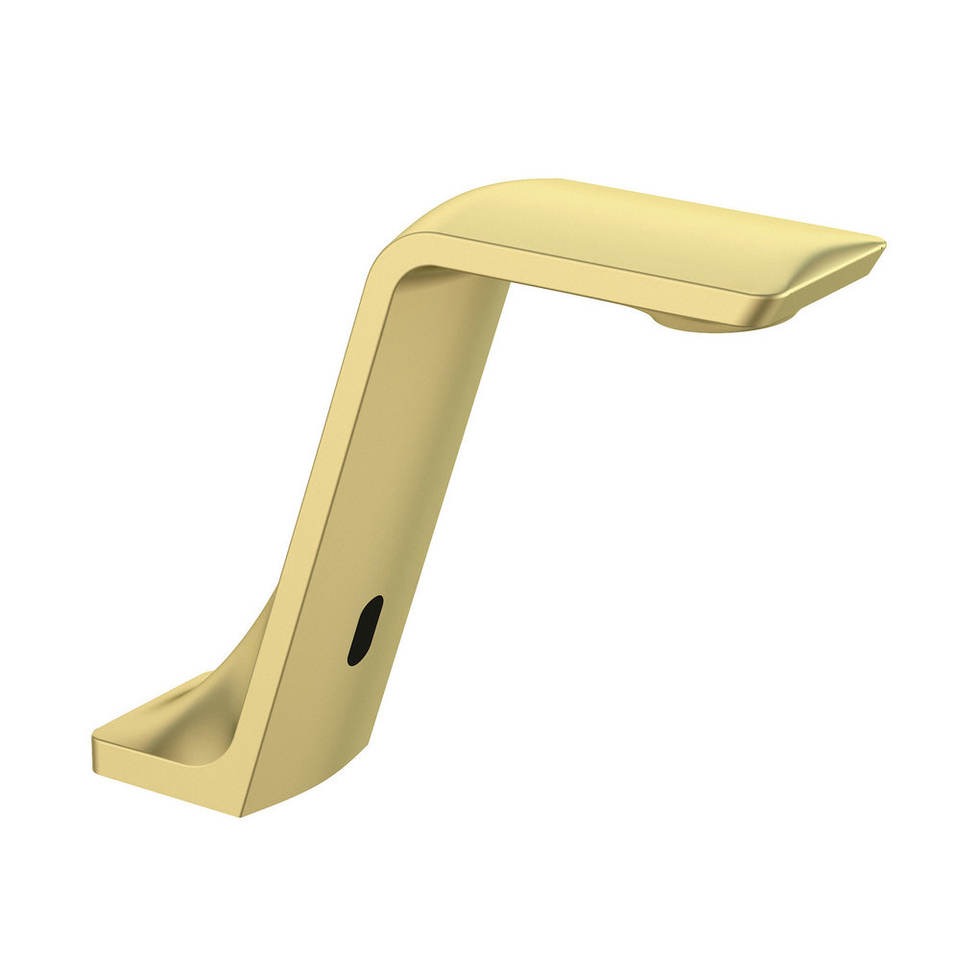 |
| Image Credit : Goldbathroom.co.uk |
Sensor taps work cleaner and are more efficient
Sensor taps operate with a predetermined flow rate, unlike traditional taps where users must manually select their desired flow rate each time. This manual selection process proves inefficient since the vast majority of users typically opt for the same flow rate. By pre-setting the flow rate, sensor taps effectively minimize splashing, thereby contributing to maintaining cleanliness in the bathroom.
 |
| Image Credit : Tapron.co.uk |
Sensor taps are more hygiene-friendly
As previously highlighted, sensor taps provide hygiene as one of their primary advantages. By eliminating the need for users to physically touch the tap during hand-washing, sensor taps significantly reduce the risk of cross-contamination among users. Additionally, complementary products like the aforementioned range facilitate hands-free dispensing of soap and cleaning liquids, further enhancing the overall hygiene protocol during each hand-washing operation.
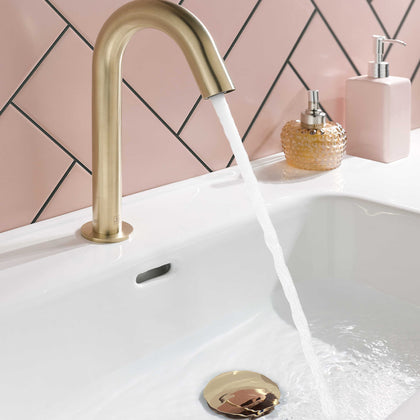 |
| Image Credit : Goldbathroom.co.uk |
Customers expect sensor taps in public restrooms.
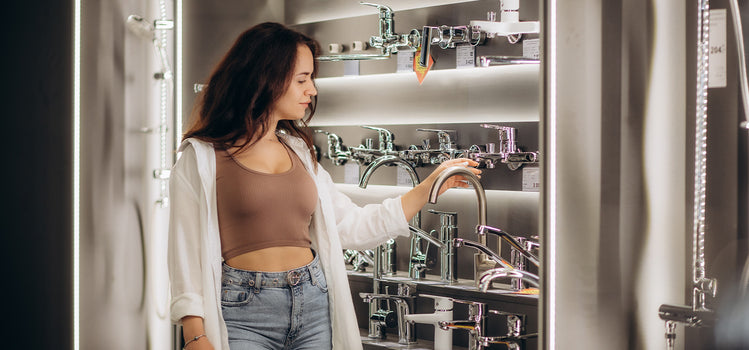
Customers increasingly anticipate the installation of hands-free taps in a broader array of environments, expecting them to be emblematic of a high-quality washroom experience. To ensure clarity and user-friendliness, it is advisable to accompany the installation of hands-free taps with clear signage explaining their operation. This proactive approach simplifies the user experience for visitors and minimizes potential confusion. In our experience, modern hands-free taps prove to be exceptionally intuitive, mitigating many of the operational errors that commonly occur with manual taps.
 |
| Image Credit : Goldbathroom.co.uk |
If you're experiencing issues with your sensor tap, such as those outlined in this comprehensive guide on common problems and solutions, it's essential to address them promptly to ensure optimal functionality. You can find more detailed information on resolving sensor tap issues in this helpful resource. Link here : https://goldbathroom.uk/blogs/news/sensor-tap-not-working-best-solutions-guide

